Running a small business? A smart CRM system for small business can be your secret weapon. It organizes customer data, boosts sales, and improves service—all in one powerful platform. Let’s dive into the ultimate guide to choosing the best fit.


Why a CRM System for Small Business is a Game-Changer

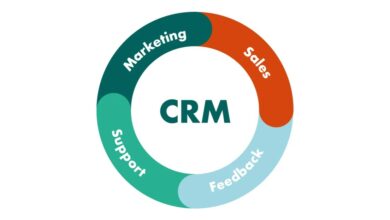
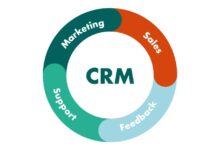
Small businesses often operate with limited resources, making efficiency crucial. A CRM (Customer Relationship Management) system helps streamline operations by centralizing customer interactions, sales pipelines, and marketing efforts. It’s not just for big corporations anymore—modern CRM solutions are affordable, scalable, and packed with features tailored for small teams.
Boosting Customer Retention
One of the biggest advantages of a CRM system for small business is its ability to improve customer retention. By tracking every interaction—emails, calls, purchases, and support tickets—businesses can deliver personalized experiences that keep clients coming back.
- Automated follow-ups ensure no lead falls through the cracks.
- Customer history is instantly accessible, enabling faster, more informed service.
- Personalized marketing campaigns increase engagement and loyalty.
“Companies using CRM report up to a 36% increase in customer retention.” — Nucleus Research
Increasing Sales Efficiency
A CRM doesn’t just store data—it turns it into actionable insights. Sales teams can track leads from first contact to close, prioritize high-value prospects, and forecast revenue with greater accuracy.
- Visual sales pipelines help identify bottlenecks.
- Automated task reminders keep reps on track.
- Integration with email and calendars reduces manual data entry.
For example, platforms like Zoho CRM offer AI-powered sales assistants that suggest next steps based on customer behavior.
Key Features to Look for in a CRM System for Small Business
Not all CRM systems are created equal. For small businesses, the ideal solution balances functionality with ease of use. Here are the must-have features to consider before making a decision.
Contact and Lead Management
The foundation of any CRM system for small business is its ability to manage contacts and leads effectively. This includes capturing lead details from websites, social media, or email campaigns and organizing them into a searchable database.
- Duplicate detection prevents data clutter.
- Custom fields allow businesses to track industry-specific information.
- Tagging and segmentation enable targeted outreach.
Tools like HubSpot CRM offer free plans with robust contact management, making it a top choice for startups.
Sales Pipeline Tracking
A visual sales pipeline gives small business owners real-time insight into where each deal stands. This transparency helps forecast revenue, allocate resources, and coach sales teams more effectively.
- Drag-and-drop interfaces make updating deal stages intuitive.
- Deal value and close date tracking improve forecasting accuracy.
- Automated alerts notify teams of stalled opportunities.
Platforms like Salesforce Essentials are designed specifically for small businesses, offering pipeline management with enterprise-grade reliability.
Marketing Automation
Modern CRM systems for small business go beyond sales—they empower marketing efforts too. Automation tools can send personalized emails, track campaign performance, and nurture leads without constant manual input.
crm system for small business – Crm system for small business menjadi aspek penting yang dibahas di sini.
- Email templates save time on outreach.
- Behavior-based triggers send messages at optimal times.
- Analytics show which campaigns drive conversions.
For instance, ActiveCampaign combines CRM with advanced automation, allowing small businesses to run sophisticated campaigns typically reserved for larger teams.
Top 7 CRM Systems for Small Business in 2024
With so many options available, choosing the right CRM system for small business can feel overwhelming. We’ve narrowed it down to seven standout platforms that deliver value, ease of use, and scalability.
1. HubSpot CRM
HubSpot CRM is a favorite among small businesses for its intuitive interface and powerful free tier. It offers contact management, deal tracking, email integration, and live chat—all at no cost.
- Free forever plan with essential CRM features.
- Seamless integration with HubSpot’s marketing and sales tools.
- Excellent onboarding and educational resources.
As your business grows, you can upgrade to paid tiers for advanced automation and analytics. Learn more at HubSpot’s official site.
2. Zoho CRM
Zoho CRM is a feature-rich platform that scales with your business. It’s particularly strong in AI-driven insights and workflow automation.
- Zia AI assistant provides sales predictions and sentiment analysis.
- Customizable dashboards offer real-time business insights.
- Over 40 integrations with tools like Gmail, Slack, and QuickBooks.
Zoho also offers a 14-day free trial and flexible pricing. Visit Zoho CRM to explore plans.
3. Salesforce Essentials
Salesforce, a leader in CRM technology, offers Essentials—a version tailored for small businesses with up to 10 users.
- Mobile-friendly interface for on-the-go access.
- Pre-built templates for common industries.
- Strong reporting and analytics capabilities.
While slightly more expensive than others, its reliability and ecosystem make it a solid long-term investment. Check out Salesforce Essentials for details.
4. Freshsales (by Freshworks)
Freshsales stands out for its AI-powered lead scoring and built-in phone system, making it ideal for sales-driven small businesses.
- Automatic lead scoring prioritizes hot prospects.
- Voice, email, and chat in one platform.
- Visual workflow builder for automation.
It’s user-friendly and offers a free plan for up to 10 users. Learn more at Freshworks CRM.
5. Insightly
Insightly is perfect for small businesses that need project management alongside CRM functionality.
crm system for small business – Crm system for small business menjadi aspek penting yang dibahas di sini.
- Project and task tracking integrated with customer records.
- Relationship linking shows connections between contacts.
- Strong API for custom integrations.
It’s especially useful for service-based businesses like consultants or contractors. Explore plans at Insightly.
6. Pipedrive
Pipedrive is built for sales teams that want a visual, pipeline-first approach.
- Drag-and-drop interface makes deal management intuitive.
- Activity reminders keep sales reps focused.
- Strong mobile app for field sales.
It’s known for its simplicity and effectiveness in driving sales. Visit Pipedrive to start a free trial.
7. Agile CRM
Agile CRM combines CRM, marketing, and helpdesk features in one affordable package.
- Free plan available with basic automation.
- Website tracking shows visitor behavior.
- Telephony and email integration included.
While the interface can feel cluttered, its all-in-one nature appeals to budget-conscious businesses. Learn more at Agile CRM.
How to Choose the Right CRM System for Small Business
Selecting the right CRM system for small business isn’t just about features—it’s about fit. Here’s a step-by-step guide to help you make the best decision.
Assess Your Business Needs
Start by identifying your core challenges. Are you struggling with lead follow-up? Do you need better reporting? Is team collaboration an issue? List your top 3-5 pain points to guide your selection.
- Sales-heavy businesses need strong pipeline tools.
- Service-based companies benefit from ticketing and scheduling.
- E-commerce brands may prioritize integration with Shopify or WooCommerce.
For example, a real estate agency might prioritize contact segmentation and automated follow-ups, while a consulting firm may need project tracking and time logging.
Consider Scalability and Integration
Your CRM should grow with your business. Look for platforms that offer tiered pricing and support integrations with tools you already use—like email, accounting software, or social media.
- Check if the CRM integrates with Google Workspace or Microsoft 365.
- Ensure compatibility with payment processors like Stripe or PayPal.
- Look for API access if you plan custom development.
Platforms like Zoho and HubSpot offer extensive app marketplaces, making integration seamless.
Test User Experience and Support
No matter how powerful a CRM system for small business is, it’s useless if your team won’t use it. Prioritize ease of use and onboarding.
crm system for small business – Crm system for small business menjadi aspek penting yang dibahas di sini.
- Take advantage of free trials or demos.
- Check for mobile app availability and functionality.
- Review customer support options—live chat, phone, knowledge base.
HubSpot, for instance, offers a wealth of free training through HubSpot Academy, helping teams get up to speed quickly.
Implementing Your CRM System for Small Business
Choosing the right CRM is just the beginning. Successful implementation is key to realizing its full potential.
Data Migration and Setup
Start by cleaning and organizing your existing customer data. Remove duplicates, standardize formats, and categorize contacts.
- Use CSV imports for bulk data transfer.
- Map fields correctly to avoid data loss.
- Set up custom fields and tags relevant to your business.
Many CRMs offer migration tools or services. For example, Zoho provides a free data migration service for new users.
Team Training and Adoption
Even the best CRM system for small business fails if the team doesn’t use it. Invest time in training and encourage consistent usage.
- Assign a CRM champion to lead adoption.
- Run hands-on workshops for each department.
- Set clear expectations for data entry and updates.
Consider gamifying usage—like rewarding the team member with the most updated records.
Customization and Automation
Once your team is comfortable, customize workflows to save time and reduce errors.
- Create automated email sequences for onboarding new clients.
- Set up task reminders for follow-ups.
- Use triggers to assign leads based on source or behavior.
For example, a plumbing company could automate a thank-you email after a service call and schedule a follow-up survey two days later.
Common Mistakes to Avoid with CRM for Small Business
Even with the best intentions, businesses often make mistakes when adopting a CRM system for small business. Avoid these pitfalls to ensure success.
Overcomplicating the Setup
It’s tempting to customize everything from day one, but this can overwhelm users. Start with core features and expand gradually.
- Begin with contact management and sales tracking.
- Add automation only after the team is comfortable.
- Use default templates before building custom ones.
Remember: simplicity drives adoption.
crm system for small business – Crm system for small business menjadi aspek penting yang dibahas di sini.
Ignoring Data Quality
A CRM is only as good as the data it contains. Poor data leads to missed opportunities and inaccurate reporting.
- Enforce data entry standards across the team.
- Schedule regular audits to clean outdated records.
- Use validation rules to prevent incomplete entries.
For instance, require phone numbers to follow a specific format to avoid confusion.
Underutilizing Reporting and Analytics
Many small businesses set up a CRM but never check the reports. This is a missed opportunity to gain insights and improve performance.
- Review sales conversion rates weekly.
- Track lead response time to improve customer experience.
- Use funnel reports to identify drop-off points.
HubSpot and Zoho offer customizable dashboards that make it easy to monitor key metrics at a glance.
Future Trends in CRM for Small Business
The CRM landscape is evolving rapidly, driven by AI, mobile access, and deeper integrations. Staying ahead of trends ensures your small business remains competitive.
AI-Powered Insights and Automation
Artificial intelligence is no longer a luxury—it’s becoming standard in CRM systems for small business. AI can predict customer behavior, suggest next actions, and even draft emails.
- Zia in Zoho CRM analyzes sentiment in customer emails.
- HubSpot’s AI tools generate content suggestions and optimize send times.
- Salesforce Einstein provides forecasting and lead scoring.
These features help small teams work smarter, not harder.
Mobile-First CRM Experiences
With more employees working remotely or on the go, mobile CRM access is essential. Modern platforms offer full-featured apps that allow users to update deals, log calls, and respond to emails from their phones.
- Offline access ensures productivity without internet.
- Mobile notifications keep teams informed in real time.
- GPS tracking can log customer visits automatically.
Pipedrive and Freshsales lead in mobile usability, offering intuitive interfaces optimized for smaller screens.
Deeper Ecosystem Integrations
The future of CRM lies in seamless integration with other business tools. From accounting to e-commerce, the goal is a unified workflow.
- Sync customer data with QuickBooks for invoicing.
- Connect to Shopify to track orders and preferences.
- Integrate with Slack for team collaboration.
Platforms like Zapier extend these capabilities, allowing small businesses to create custom workflows between apps without coding.
crm system for small business – Crm system for small business menjadi aspek penting yang dibahas di sini.
What is a CRM system for small business?
A CRM system for small business is a software tool that helps manage customer interactions, sales pipelines, and marketing efforts. It centralizes data to improve efficiency, boost sales, and enhance customer service.
Is a CRM worth it for small businesses?
Yes. Even small teams can benefit from organized customer data, automated follow-ups, and better sales tracking. Many CRMs offer free or low-cost plans tailored for small businesses.
How much does a CRM system for small business cost?
Prices vary. Many platforms offer free plans (e.g., HubSpot CRM). Paid plans typically range from $10 to $50 per user per month, depending on features and scalability.
Can I use a CRM without technical skills?
Absolutely. Most modern CRM systems for small business are designed with user-friendly interfaces, drag-and-drop builders, and guided onboarding. No coding is required for basic setup and use.
Which CRM is best for startups?
HubSpot CRM and Zoho CRM are top choices for startups due to their free plans, ease of use, and scalability. Both offer robust features without a steep learning curve.
Choosing the right CRM system for small business can transform how you engage with customers and grow your revenue. From boosting retention to automating marketing, the right tool brings clarity and efficiency to every interaction. Whether you’re a solopreneur or a growing team, investing in a CRM is no longer optional—it’s essential. Evaluate your needs, test top platforms, and start small. With the right strategy, your CRM will become the backbone of your business success.
crm system for small business – Crm system for small business menjadi aspek penting yang dibahas di sini.
Further Reading: