Crm software for small business: Top 7 CRM Software for Small Business in 2024: Ultimate Guide

Navigating customer relationships doesn’t have to be overwhelming. For small businesses, the right CRM software can transform chaos into clarity—boosting sales, streamlining communication, and fueling growth. Here’s your complete guide to the best CRM tools built for small teams.


Why CRM Software for Small Business Is a Game-Changer

Small businesses operate with limited resources but big ambitions. A powerful CRM software for small business acts as a force multiplier—helping teams do more with less. It centralizes customer data, automates repetitive tasks, and provides insights that drive smarter decisions.
Boosting Sales Efficiency
One of the most immediate benefits of CRM software for small business is improved sales efficiency. Instead of relying on scattered spreadsheets or memory, sales teams can track every lead, follow-up, and deal stage in one place.
- Automated lead assignment reduces response time
- Sales pipelines provide visual progress tracking
- Activity logs ensure no prospect falls through the cracks
According to Salesforce’s State of Sales Report, high-performing sales teams are 2.2x more likely to use CRM tools effectively.
Enhancing Customer Retention
Acquiring a new customer can cost five times more than retaining an existing one. CRM software for small business helps nurture long-term relationships by storing interaction history, purchase behavior, and support tickets.
- Personalized email campaigns based on customer behavior
- Automated birthday or anniversary messages
- Quick access to past conversations for better service
“A CRM isn’t just a database—it’s the backbone of customer-centric growth.” — HubSpot Blog
Improving Team Collaboration
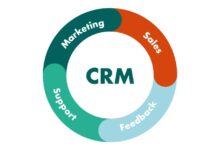
When teams work in silos, customer experience suffers. A shared CRM platform breaks down barriers between sales, marketing, and support teams.
- Real-time updates keep everyone aligned
- Task delegation and reminders improve accountability
- Centralized notes prevent duplicate efforts
Tools like Zoho CRM offer collaboration features such as team feeds and @mentions, mimicking social media-style interaction within the platform.
Key Features to Look for in CRM Software for Small Business
Not all CRM systems are created equal. For small businesses, simplicity, scalability, and affordability are non-negotiable. Here’s what to prioritize when evaluating CRM software for small business.
Contact and Lead Management
The foundation of any CRM is its ability to organize contacts and leads. Look for a system that allows you to segment customers by industry, location, behavior, or lifecycle stage.
- Custom fields to capture unique business data
- Duplicate detection to maintain data hygiene
- Import tools for migrating from spreadsheets or legacy systems
For example, Insightly offers robust contact management with relationship linking, showing how leads are connected to projects or opportunities.
Automation and Workflow Tools
Time is your most valuable asset. Automation features in CRM software for small business can save hours every week by handling routine tasks.
- Auto-assign leads based on rules (e.g., geography or product interest)
- Send follow-up emails after form submissions
- Trigger tasks when a deal moves to a new stage
Platforms like ActiveCampaign go beyond basic automation, offering AI-powered content suggestions and predictive sending times.
Reporting and Analytics
What gets measured gets managed. A good CRM should provide clear, actionable reports without requiring a data scientist to interpret them.
- Sales performance dashboards
- Conversion rate tracking by source
- Customer lifetime value (CLV) projections
Many CRM software for small business now include drag-and-drop report builders, allowing non-technical users to create custom views. Pipedrive, for instance, offers visual sales reports that update in real time.
Top 7 CRM Software for Small Business in 2024
After extensive research, testing, and user feedback analysis, we’ve compiled a list of the top 7 CRM software for small business. Each tool balances functionality, ease of use, and cost-effectiveness—perfect for startups and growing teams.
1. HubSpot CRM
HubSpot CRM is a favorite among small businesses for its intuitive interface and powerful free tier. It’s ideal for companies just starting their CRM journey.
- Free forever plan with essential features
- Seamless integration with Gmail and Outlook
- Live chat and meeting scheduling tools included
Its strength lies in its ecosystem—HubSpot offers marketing, sales, service, and CMS hubs that grow with your business. Learn more at HubSpot’s official site.
2. Zoho CRM
Zoho CRM stands out for its customization and AI capabilities. It’s particularly strong for businesses with complex sales processes.
- Zia AI assistant predicts deal closures and suggests next steps
- Custom modules and blueprints for workflow automation
- Multi-channel communication (email, phone, social)
Zoho also offers a 14-day free trial and scalable pricing, making it accessible for small teams. Visit Zoho CRM to explore its full suite.
3. Salesforce Essentials
Salesforce, the industry giant, offers Salesforce Essentials—a streamlined version designed specifically for small businesses with up to 10 users.
- Mobile-first design for on-the-go teams
- Pre-built templates for common industries
- Integration with over 1,000 apps via AppExchange
While more expensive than some alternatives, its scalability makes it a smart long-term investment. Check out Salesforce Essentials for details.
4. Pipedrive
Pipedrive is built for sales-focused small businesses. Its visual pipeline interface makes it easy to track deals from first contact to close.
- Drag-and-drop pipeline management
- Activity reminders and goal tracking
- Strong mobile app for field sales teams
Pipedrive’s simplicity is its superpower—new users can get up and running in under an hour. Learn more at Pipedrive.com.
5. Freshsales (by Freshworks)
Freshsales combines CRM functionality with built-in phone, email, and chat—making it a complete communication hub.
- AI-powered lead scoring to prioritize hot prospects
- Voice and video calling directly in the app
- Visual deal timeline for better context
It’s especially useful for inside sales teams. Visit Freshsales to start a free trial.
6. Insightly
Insightly bridges the gap between CRM and project management, ideal for service-based small businesses.
- Project and task tracking within the CRM
- Customer relationship linking (e.g., parent companies)
- Workflow automation with conditional logic
Its focus on relationship management makes it perfect for consultants, agencies, and contractors. Explore Insightly for more.
7. Agile CRM
Agile CRM offers an all-in-one solution with marketing, sales, and service tools in a single platform.
- Free plan with up to 10 users
- Website tracking and pop-up forms
- Telephony and email integration
While some users report performance issues at scale, it’s a solid choice for budget-conscious startups. Learn more at AgileCRM.com.
How to Choose the Right CRM Software for Small Business
Selecting the right CRM software for small business isn’t just about features—it’s about fit. The best tool aligns with your team’s workflow, growth goals, and budget.
Assess Your Business Needs
Start by mapping out your customer journey. Where do leads come from? How do you nurture them? What tools do your teams currently use?
- Identify pain points (e.g., missed follow-ups, data silos)
- List must-have features vs. nice-to-have
- Consider future needs (e.g., adding a marketing team)
For example, an e-commerce startup might prioritize email integration and automation, while a consulting firm may need project tracking and time logging.
Consider Ease of Use and Onboarding
A CRM is only as good as its adoption rate. If your team finds it confusing, they won’t use it consistently.
- Look for intuitive interfaces with minimal learning curve
- Check for onboarding resources (tutorials, webinars, support)
- Test with a small team before full rollout
HubSpot and Pipedrive are known for their user-friendly designs, often praised in G2 reviews for quick onboarding.
Evaluate Integration Capabilities
Your CRM shouldn’t exist in isolation. It should connect seamlessly with tools you already use—email, calendar, accounting, marketing platforms.
- Check native integrations (e.g., Gmail, Slack, QuickBooks)
- Look for API access for custom connections
- Verify two-way sync to avoid data duplication
For instance, Zoho CRM integrates with over 40 Zoho apps and 1,000+ third-party tools via Zapier.
Common CRM Implementation Mistakes to Avoid
Even the best CRM software for small business can fail if implemented poorly. Avoid these common pitfalls to ensure a smooth transition.
Skipping Data Cleanup
Migrating messy, outdated data into a new CRM will only create bigger problems. Take time to clean your contact lists before import.
- Remove duplicates and incomplete records
- Standardize naming conventions and formats
- Verify email addresses and phone numbers
Tools like Import.io or Clearbit can help enrich and validate data during migration.
Over-Customizing Too Early
While customization is powerful, over-engineering your CRM from day one can lead to confusion and inefficiency.
- Start with default settings and proven templates
- Customize only after identifying recurring bottlenecks
- Document all changes for team reference
As CIO.com notes, “Simplicity often wins in early-stage CRM adoption.”
Ignoring User Training
Assuming your team will “figure it out” is a recipe for low adoption. Invest in proper training.
- Host hands-on workshops or video sessions
- Create internal documentation or FAQs
- Appoint a CRM champion to answer questions
Many vendors, like Salesforce and HubSpot, offer free certification courses to boost user confidence.
How CRM Software for Small Business Drives Growth
When used strategically, CRM software for small business isn’t just a tool—it’s a growth engine. Here’s how it fuels long-term success.
Scaling Sales Operations
As your team grows, manual processes become unsustainable. A CRM allows you to scale without sacrificing quality.
- Standardize sales processes across team members
- Track performance with individual and team metrics
- Identify top-performing strategies for replication
For example, a small agency using Pipedrive reported a 40% increase in deal closure rates within six months of implementation.
Enabling Data-Driven Marketing
CRM data provides rich insights for targeted marketing campaigns.
- Segment audiences based on behavior or demographics
- Personalize email content using CRM fields
- Measure campaign ROI by tracking lead-to-customer conversion
HubSpot’s CRM, for instance, syncs with its marketing hub to automate nurturing sequences based on user actions.
Improving Customer Support
Happy customers become repeat customers. A CRM helps support teams deliver faster, more personalized service.
- View full customer history at a glance
- Log and track support tickets
- Set up automated responses for common inquiries
Freshsales’ built-in phone and chat features allow agents to resolve issues without switching apps.
Future Trends in CRM Software for Small Business
The CRM landscape is evolving rapidly. Small businesses that stay ahead of trends can gain a competitive edge.
AI and Predictive Analytics
Artificial intelligence is no longer just for enterprise. Modern CRM software for small business uses AI to predict customer behavior and recommend actions.
- Zia in Zoho CRM suggests the best time to call a lead
- HubSpot’s AI writes email subject lines and body copy
- Pipedrive’s Forecast tool predicts monthly revenue
These tools reduce guesswork and increase efficiency.
Mobile-First and Remote Access
With more teams working remotely, mobile CRM access is essential.
- Offline mode for field sales reps
- Mobile app with full functionality
- Location-based task reminders
Salesforce Essentials and Pipedrive offer robust mobile experiences, allowing teams to update records from anywhere.
Integration with Communication Platforms
The future of CRM is embedded communication. Instead of switching between apps, teams want to engage customers directly within the CRM.
- Click-to-call and email from contact profiles
- Live chat and video conferencing integration
- Slack or Teams notifications for deal updates
Freshsales and Agile CRM are leading this trend with built-in telephony and chat features.
What is the best CRM software for small business?
The best CRM software for small business depends on your specific needs. HubSpot CRM is ideal for startups due to its free plan and ease of use. Zoho CRM offers deep customization and AI features. Pipedrive excels for sales-heavy teams with its visual pipeline. Evaluate based on your budget, team size, and growth goals.
Is CRM software worth it for small businesses?
Absolutely. CRM software for small business improves organization, boosts sales, and enhances customer relationships. Even basic CRMs can save hours per week and increase conversion rates. With many affordable and free options available, the ROI is often immediate.
Can I use CRM software without technical skills?
Yes. Most modern CRM software for small business is designed for non-technical users. Platforms like HubSpot, Pipedrive, and Zoho CRM offer intuitive interfaces, drag-and-drop builders, and extensive help centers. Many also provide free training and customer support.
How much does CRM software cost for small businesses?
Costs vary widely. Many CRMs offer free plans (e.g., HubSpot, Agile CRM). Paid plans typically range from $10 to $50 per user per month. Salesforce Essentials starts at $25/user/month, while Zoho CRM’s Standard plan is $14/user/month. Consider total cost, including add-ons and integrations.
How do I migrate my data to a new CRM?
Most CRM software for small business supports CSV imports. First, clean your existing data (remove duplicates, standardize formats). Then, map your fields to the new CRM’s structure. Use built-in import tools or third-party services like Import.io. Test with a small dataset before full migration.
Choosing the right CRM software for small business is one of the most impactful decisions you can make. From boosting sales efficiency to enhancing customer retention, the right tool can transform how you operate. Whether you opt for HubSpot’s simplicity, Zoho’s customization, or Pipedrive’s sales focus, the key is to start, adapt, and grow. With the insights and recommendations in this guide, you’re well-equipped to find the perfect CRM for your small business in 2024 and beyond.
Further Reading: