In today’s hyper-connected digital economy, the B2B2C model is reshaping how businesses interact with customers. It’s not just a buzzword—it’s a strategic evolution that blends supply chain efficiency with direct consumer engagement. Let’s dive into what makes B2B2C a game-changer.





What Is B2B2C? A Modern Business Model Redefined

The term B2B2C, or business-to-business-to-consumer, describes a hybrid model where a company sells its products or services to another business (B2B), which then delivers them to the end consumer (B2C). This creates a collaborative ecosystem that benefits all parties involved—manufacturers, intermediaries, and customers.
The Core Structure of B2B2C
At its heart, B2B2C operates on a three-tiered structure:
- Manufacturer/Service Provider: The original creator of the product or service.
- Intermediary Business: A retailer, platform, or distributor that markets and sells to consumers.
- End Consumer: The final user who purchases and uses the product.
This model allows the manufacturer to leverage the intermediary’s customer reach while maintaining brand presence and data access.
How B2B2C Differs from Traditional B2B and B2C
Unlike pure B2B, where transactions stop at the business level, B2B2C extends value delivery all the way to the consumer. Conversely, it differs from traditional B2C by involving a strategic partnership with another business for distribution or co-branding.
“The B2B2C model closes the loop between production and consumption, enabling brands to stay close to customers without managing retail logistics themselves.” — Harvard Business Review
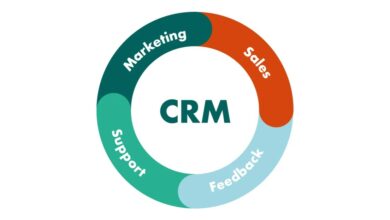
For example, a software company might license its CRM tool to a telecom provider, who then bundles it with their business internet plans for SMEs. The software firm gains scale, the telecom enhances its offering, and the SME gets an integrated solution.
Real-World Examples of B2B2C in Action
One of the most prominent examples is Amazon Web Services (AWS). AWS provides cloud infrastructure (B2B) to companies like Netflix, which then delivers streaming content (B2C) to millions of viewers. AWS doesn’t interact directly with viewers, but their technology powers the entire consumer experience.
Another example is Mastercard’s Priceless Cities program. Mastercard partners with local businesses (restaurants, spas, events) to offer exclusive experiences to cardholders. Mastercard (B2B) enables the service, the local business delivers it (B2C), and the consumer enjoys the benefit—all under a shared value proposition.
Why B2B2C Is Gaining Momentum in 2024
The global shift toward digital platforms, ecosystem-based competition, and customer-centric innovation has made the B2B2C model more relevant than ever. Companies are no longer competing as standalone entities but as interconnected nodes in a larger value network.
Digital Transformation as a Catalyst
The rise of e-commerce, SaaS platforms, and API-driven integrations has lowered the barriers for B2B2C collaborations. Businesses can now embed their services into third-party platforms seamlessly.
For instance, Shopify enables thousands of manufacturers to sell through branded online stores hosted on its platform. Shopify provides the tech (B2B), while merchants engage directly with shoppers (B2C)—a textbook B2B2C dynamic.
Consumer Demand for Seamless Experiences
Modern consumers expect frictionless journeys—whether buying a phone or booking a vacation. The B2B2C model allows brands to co-create these experiences without owning every touchpoint.
Take Apple and CarPlay: Apple licenses its interface to car manufacturers (B2B), who integrate it into vehicles sold to drivers (B2C). The driver gets a familiar, high-quality experience, Apple expands its ecosystem, and automakers enhance their product appeal.
Data Sharing and Customer Insights
One of the biggest advantages of B2B2C is the potential for shared data. When structured properly, both the B2B provider and the intermediary can access anonymized consumer behavior insights to refine offerings.
For example, a fitness equipment manufacturer partnering with a gym chain can receive usage data (with consent) to improve product design and recommend personalized accessories to gym members via the gym’s app.
Key Advantages of the B2B2C Model
The B2B2C approach offers strategic benefits that traditional models often miss. It’s not just about distribution—it’s about amplification, insight, and resilience.
Expanded Market Reach Without Direct Sales Overhead
By partnering with established businesses that already have customer bases, companies can scale rapidly without investing heavily in marketing, logistics, or storefronts.
A small organic skincare brand can partner with a national pharmacy chain. The pharmacy handles shelf space and checkout; the brand focuses on product quality and co-branded promotions. This synergy reduces go-to-market costs significantly.
Enhanced Brand Visibility and Trust Transfer
When a trusted intermediary endorses a product, some of that trust transfers to the original brand. This is especially powerful in industries where credibility matters—healthcare, finance, education.
For example, Google Workspace is often sold through authorized resellers. When a well-known IT solutions provider recommends Google’s tools to a law firm, the reseller’s reputation adds weight to the sale.
Greater Control Over Customer Experience
Unlike traditional B2B, where the supplier loses visibility after delivery, B2B2C allows brands to maintain a digital thread to the end user. Through apps, portals, or co-branded content, they can influence the post-purchase journey.
Consider Nestlé’s partnership with Nespresso machines in offices. Nestlé supplies the machines and capsules (B2B to corporations), but employees (consumers) interact daily with the Nespresso brand via the machine interface and mobile app—enabling feedback loops and loyalty programs.
Challenges and Risks in the B2B2C Ecosystem
While the B2B2C model offers compelling advantages, it’s not without complexity. Success depends on alignment, transparency, and robust governance.
Brand Consistency and Messaging Conflicts
When multiple parties are involved in the customer journey, maintaining a unified brand voice becomes challenging. A luxury skincare brand might suffer if a retail partner promotes it alongside discount products.
Solution: Establish clear brand guidelines and co-marketing agreements. Regular audits and training for partner staff can ensure consistency.
Data Privacy and Ownership Issues
Who owns the customer data? The manufacturer? The retailer? The platform? Without clear contracts, data sharing can lead to legal disputes or breaches of privacy regulations like GDPR or CCPA.
Best practice: Define data rights in partnership agreements. Use anonymized analytics where possible and ensure compliance with GDPR standards. Transparency builds trust with both partners and consumers.
Dependency and Power Imbalance
Smaller B2B suppliers may become overly reliant on a single intermediary. If the partner changes strategy or switches vendors, the supplier faces disruption.
Mitigation: Diversify partnerships. Build direct-to-consumer (DTC) channels in parallel to reduce dependency. Use B2B2C as a growth lever, not a sole strategy.
How to Build a Successful B2B2C Strategy
Transitioning to a B2B2C model requires more than just finding a partner. It demands strategic planning, technology integration, and cultural alignment.
Step 1: Identify the Right Intermediary Partners
Not all businesses make good partners. Look for intermediaries that:
- Share your brand values and target audience.
- Have strong customer engagement capabilities.
- Are open to co-creation and data sharing.
For example, a sustainable fashion brand should partner with eco-conscious retailers, not fast-fashion giants.
Step 2: Align Incentives and KPIs
Both parties must benefit. Define shared goals—such as customer retention, average order value, or Net Promoter Score (NPS)—and tie incentives to them.
A SaaS company providing tools to real estate agents might offer bonuses to agencies that achieve high user adoption rates among their agents.
Step 3: Integrate Technology and Customer Journeys
Seamless integration is key. Use APIs, single sign-on (SSO), and unified dashboards to connect systems.
For instance, Salesforce integrates with numerous e-commerce platforms, allowing B2B vendors to track how their tools impact end-customer sales—closing the loop in the B2B2C chain.
B2B2C in Specific Industries: Case Studies
The B2B2C model isn’t one-size-fits-all. Its application varies across sectors, each with unique dynamics and opportunities.
Retail and E-Commerce: The Marketplace Model
Platforms like Amazon Marketplace, eBay, and Alibaba are quintessential B2B2C environments. Third-party sellers (B2B suppliers) list products, while the platform handles search, payment, and delivery (B2C).
Amazon benefits from expanded inventory; sellers gain access to millions of customers; buyers enjoy variety and convenience. However, challenges include fee structures and brand dilution.
Healthcare: Telemedicine and Device Integration
In healthcare, B2B2C is transforming patient care. Medical device manufacturers supply hospitals (B2B), but patients (B2C) use the devices at home and interact with companion apps.
For example, Medtronic’s diabetes management systems send glucose data to clinicians (B2B) while empowering patients with real-time insights (B2C). This dual engagement improves outcomes and strengthens brand loyalty.
Financial Services: Embedded Finance and Fintech Partnerships
Banks and fintechs are increasingly adopting B2B2C through embedded finance. A neobank might provide payment infrastructure (B2B) to an e-commerce platform, which then offers instant checkout and buy-now-pay-later options (B2C) to shoppers.
Companies like Stripe and Plaid thrive in this space, enabling seamless financial experiences without consumers realizing the backend complexity.
The Future of B2B2C: Trends to Watch
As technology evolves, so does the B2B2C landscape. The next wave will be driven by AI, personalization, and decentralized ecosystems.
Rise of AI-Powered Personalization
Artificial intelligence will enable hyper-personalized experiences across B2B2C chains. A manufacturer can use AI to analyze consumer behavior (via partner data) and dynamically adjust product recommendations or pricing.
For example, a smart home appliance brand could offer personalized energy-saving tips through a utility company’s app—adding value without direct customer ownership.
Growth of Co-Branded Loyalty Programs
Expect more joint loyalty initiatives where points earned with one brand can be redeemed through a partner. Airlines and credit card companies already do this, but it will expand to retail, healthcare, and education.
Imagine earning rewards for using a fitness tracker (B2B2C) that can be used for discounts on health insurance or gym memberships.
Blockchain for Transparency and Trust
Blockchain technology can enhance B2B2C by providing immutable records of transactions, product origins, and data sharing consent. This is especially valuable in supply chains and luxury goods.
For instance, a diamond supplier (B2B) can use blockchain to verify authenticity, which a jeweler (B2C) then shares with the buyer—building trust at every stage.
How B2B2C Transforms Customer Relationships
One of the most profound impacts of the B2B2C model is its ability to redefine customer relationships. Instead of being siloed, interactions become collaborative and continuous.
From Transactional to Relational Engagement
Traditional B2B relationships are often transactional—focused on volume, price, and delivery. B2B2C shifts the focus to long-term value and shared success.
When a software company sees its tool improving end-user satisfaction via a partner, it gains motivation to innovate and support the ecosystem.
Shared Responsibility for Customer Success
In B2B2C, customer success is a joint mission. If a consumer has a bad experience, both the B2B provider and the intermediary suffer reputational damage.
This interdependence fosters better support systems, faster issue resolution, and more investment in user experience design.
Direct Feedback Loops Without Direct Ownership
Even without owning the customer relationship, B2B2C enables indirect feedback. Through analytics, surveys, and co-branded touchpoints, suppliers can gather insights to refine their offerings.
A food brand supplying supermarkets can use in-app feedback from a grocery delivery service to adjust recipes or packaging.
What is B2B2C?
B2B2C, or business-to-business-to-consumer, is a model where a company sells its products or services to another business, which then delivers them to the end consumer. It combines B2B efficiency with B2C customer engagement.
How does B2B2C benefit small businesses?
Small businesses can leverage B2B2C to access larger markets through partnerships with established retailers or platforms, reducing marketing and distribution costs while gaining credibility through association.
Is B2B2C the same as marketplace selling?
Marketplace selling is a form of B2B2C, but not all B2B2C involves marketplaces. B2B2C includes any scenario where a business enables another to serve end customers, including white-labeling, embedded services, and co-branded offerings.
What industries use B2B2C the most?
Industries like e-commerce, fintech, healthcare, SaaS, and consumer electronics are leading adopters of B2B2C due to their reliance on platforms, partnerships, and digital integration.
How can companies protect their brand in a B2B2C model?
Companies should establish clear brand guidelines, monitor partner performance, use co-branded marketing, and maintain direct digital touchpoints (like apps or portals) to preserve brand identity and customer trust.
The B2B2C model is more than a distribution strategy—it’s a paradigm shift in how value is created and delivered. By bridging the gap between business and consumer markets, it enables scalability, deeper customer insights, and stronger partnerships. As digital ecosystems grow more interconnected, mastering B2B2C will be essential for any brand aiming to thrive in the modern economy. The future belongs to those who collaborate, innovate, and stay close to the customer—without needing to own every step of the journey.
Further Reading: