Ever wonder why some companies grow faster than others? It’s not luck—it’s B2B mastery. In this deep dive, we unpack the real mechanics behind successful business-to-business operations, from sales tactics to digital transformation.




Understanding the Core of B2B

The term B2B, or business-to-business, refers to transactions between companies rather than between a company and individual consumers (B2C). This model powers global supply chains, technology integrations, and enterprise services. Unlike B2C, B2B decisions are often longer, more complex, and involve multiple stakeholders.
What Exactly Is B2B?
B2B describes any commercial transaction where one business provides products or services to another. This can range from raw materials sold to manufacturers to software platforms used by enterprises. The key differentiator from B2C is the decision-making process—B2B purchases are typically rational, data-driven, and involve contracts, negotiations, and long-term relationships.
- Examples include a cloud service provider selling to a financial institution.
- A packaging company supplying boxes to an e-commerce brand.
- Consulting firms offering strategy services to other businesses.
“B2B is not just about selling; it’s about solving business problems at scale.” — Forbes Insights, 2023
Historical Evolution of B2B Models
B2B has existed since the dawn of trade, but its modern form emerged during the Industrial Revolution. As factories needed raw materials and machinery, specialized suppliers evolved. The 20th century saw the rise of wholesale distributors and trade shows. Then came the internet, which revolutionized B2B with e-commerce platforms like Alibaba and ThomasNet.
Today, digital transformation has made B2B more agile. Companies now use AI-driven procurement tools, CRM systems, and data analytics to optimize operations. According to McKinsey, over 70% of B2B buyers prefer digital self-service channels for research and purchasing.
B2B vs. B2C: Key Differences That Matter
While both B2B and B2C involve selling, their mechanics differ significantly. Understanding these distinctions is crucial for crafting effective strategies.
Decision-Making Complexity
In B2B, purchases often require approval from multiple departments—finance, operations, IT, and legal. A single sale might involve a procurement team, technical evaluators, and C-suite executives. This multi-layered process means longer sales cycles, sometimes lasting months or even years.
Conversely, B2C decisions are usually individual and emotional. A customer might buy a product based on branding, impulse, or social proof. B2B buyers, however, rely on ROI calculations, integration feasibility, and long-term value.
Marketing and Communication Styles
B2B marketing emphasizes logic, credibility, and thought leadership. Content like whitepapers, case studies, and webinars are common. Messaging focuses on efficiency, cost savings, and scalability.
B2C marketing, on the other hand, leans into emotion, lifestyle, and instant gratification. Think catchy slogans, influencer endorsements, and limited-time offers. While B2C uses broad advertising, B2B relies on targeted outreach through LinkedIn, industry events, and email nurturing.
“B2B buyers are 50% more likely to engage with content that demonstrates measurable business outcomes.” — HubSpot Research, 2024
The B2B Sales Funnel: A Step-by-Step Breakdown
The B2B sales funnel is more intricate than its B2C counterpart. It’s not just about awareness and purchase—it’s about nurturing trust over time.
Stage 1: Awareness and Lead Generation
This is where prospects realize they have a problem. Your job is to position your brand as a solution. Tactics include SEO-optimized blogs, social media content, and paid ads targeting specific industries.
For example, a SaaS company might publish a guide titled “How to Reduce Operational Costs with Automation.” This attracts operations managers searching for efficiency tools. Tools like HubSpot help automate lead capture through landing pages and forms.
Stage 2: Consideration and Engagement
Once leads are captured, the focus shifts to education. Offer demos, free trials, or consultations. This stage is about proving value without being pushy.
- Send personalized email sequences based on user behavior.
- Host live webinars showcasing product capabilities.
- Provide comparison sheets against competitors.
According to Gartner, 64% of B2B buyers feel that sales reps don’t understand their business needs. That’s why empathy and insight-driven communication are critical here.
Stage 3: Decision and Closing
At this point, the buyer has evaluated options and is ready to decide. Your sales team must address final objections, negotiate pricing, and align with procurement processes.
Key tactics include:
- Providing detailed ROI projections.
- Offering pilot programs or proof-of-concept deployments.
- Facilitating stakeholder alignment through executive briefings.
A well-structured proposal can make or break the deal. Include clear timelines, service-level agreements (SLAs), and success metrics.
B2B Marketing Strategies That Deliver Results
Effective B2B marketing isn’t about flashy ads—it’s about building authority and trust over time.
Content Marketing: The Backbone of B2B Growth
High-quality content establishes your brand as a thought leader. Unlike B2C, where entertainment drives engagement, B2B content must be informative and actionable.
Successful formats include:
- Whitepapers: Deep dives into industry challenges.
- Case studies: Real-world examples of client success.
- Industry reports: Data-driven insights that position your brand as an expert.
For instance, IBM’s Thought Leadership portal generates thousands of qualified leads annually by publishing research on AI, cybersecurity, and digital transformation.
Account-Based Marketing (ABM)
ABM flips traditional marketing on its head. Instead of casting a wide net, you target specific high-value accounts with personalized campaigns.
Steps to implement ABM:
- Identify target accounts based on revenue potential and strategic fit.
- Map key decision-makers and influencers within those organizations.
- Create tailored content and outreach strategies for each account.
According to ABM Institute, companies using ABM see 200% higher win rates and 30% faster sales cycles.
“ABM turns marketing from a spray-and-pray model into a sniper approach.” — Marketing Week
LinkedIn and Social Selling
LinkedIn is the #1 platform for B2B engagement. With over 900 million users, it’s where professionals research vendors, read industry news, and connect with peers.
Effective social selling on LinkedIn includes:
- Optimizing your profile with keywords like ‘B2B strategist’ or ‘enterprise solutions expert’.
- Sharing valuable insights through posts and articles.
- Engaging with prospects’ content before pitching.
Sales reps who use social selling close 2x more deals than those who don’t, per Salesforce.
The Role of Technology in Modern B2B
Technology isn’t just a tool in B2B—it’s the foundation of competitiveness.
CRM Systems: The Central Hub
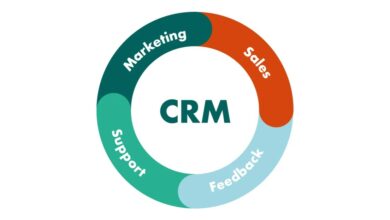
Customer Relationship Management (CRM) platforms like Salesforce, HubSpot, and Zoho are essential for managing B2B interactions. They track leads, automate follow-ups, and provide analytics on sales performance.
Key benefits:
- Centralized data for all customer touchpoints.
- Automated workflows to reduce manual tasks.
- Real-time dashboards for sales forecasting.
A well-implemented CRM can increase sales productivity by up to 34%, according to Nucleus Research.
Marketing Automation and AI
Modern B2B marketing relies on automation to scale outreach. Tools like Marketo, Pardot, and ActiveCampaign allow businesses to send personalized emails, score leads, and trigger actions based on behavior.
AI enhances this further by:
- Predicting which leads are most likely to convert.
- Generating content drafts and optimizing subject lines.
- Chatbots handling initial customer inquiries 24/7.
For example, Drift uses AI-powered conversational marketing to engage website visitors in real-time, reducing response time from days to seconds.
E-Commerce Platforms for B2B
Gone are the days when B2B meant phone calls and PDF catalogs. Today, companies like Grainger and Fastenal offer full e-commerce experiences with bulk pricing, account-specific discounts, and automated reordering.
Key features of B2B e-commerce platforms:
- Custom pricing tiers based on contract agreements.
- Integration with ERP and inventory systems.
- Self-service portals for order tracking and support.
According to Forrester, B2B e-commerce sales in the U.S. will reach $2.3 trillion by 2025, accounting for 17% of all B2B transactions.
Challenges in the B2B Landscape
Despite its potential, B2B comes with unique hurdles that can stall growth if not addressed.
Long Sales Cycles and Stakeholder Alignment
One of the biggest challenges in B2B is the extended decision-making timeline. With multiple stakeholders involved, getting consensus can be slow. A delay in one department can stall the entire process.
Solutions include:
- Creating stakeholder maps to understand each person’s priorities.
- Providing tailored presentations for different roles (e.g., technical specs for IT, ROI for finance).
- Using collaboration tools like Notion or Slack to keep everyone aligned.
Customer Retention and Churn
Acquiring a B2B customer is expensive—up to 7x more than retaining one. Yet, many companies focus too much on acquisition and neglect retention.
Strategies to reduce churn:
- Implementing customer success programs with dedicated managers.
- Regular check-ins and health assessments.
- Offering continuous training and onboarding resources.
Companies with strong customer success teams see 15-25% higher retention rates, per Customer Success Association.
Data Privacy and Security Concerns
B2B clients, especially in finance and healthcare, demand strict data compliance. A single breach can destroy trust and lead to contract termination.
Best practices:
- Obtaining certifications like ISO 27001 or SOC 2.
- Conducting regular security audits.
- Being transparent about data handling policies.
Transparency builds trust—87% of B2B buyers say they’re more likely to partner with vendors who openly share their security protocols.
Future Trends Shaping B2B
The B2B world is evolving rapidly. Staying ahead requires anticipating shifts before they become mainstream.
Hyper-Personalization Through AI
Generic messaging is dead. The future of B2B lies in hyper-personalization—delivering the right message, to the right person, at the right time.
AI enables this by analyzing:
- Past purchase behavior.
- Website engagement patterns.
- Social media activity.
For example, Adobe uses AI to recommend personalized content paths for enterprise clients, increasing engagement by 40%.
Sustainability as a Competitive Advantage
More B2B buyers are prioritizing sustainability. A 2023 Deloitte survey found that 68% of procurement officers consider environmental impact when choosing vendors.
Opportunities include:
- Offering carbon-neutral shipping options.
- Using recyclable packaging.
- Partnering with green-certified suppliers.
Sustainable practices aren’t just ethical—they’re profitable. Companies with strong ESG (Environmental, Social, Governance) ratings grow 2.5x faster in B2B markets.
The Rise of Embedded Finance
Embedded finance—integrating financial services directly into B2B platforms—is gaining traction. Examples include:
- Buy-now-pay-later (BNPL) options for large equipment purchases.
- Invoice financing within procurement software.
- Embedded insurance for logistics providers.
This trend simplifies transactions and improves cash flow for buyers, making your offering more attractive.
What is B2B?
B2B, or business-to-business, refers to transactions where one company sells products or services to another. It’s common in manufacturing, SaaS, wholesale, and professional services.
How long is the average B2B sales cycle?
The average B2B sales cycle ranges from 1 to 6 months, depending on the industry and deal complexity. High-value enterprise deals can take over a year.
What are the best B2B marketing channels?
The most effective B2B marketing channels include LinkedIn, email marketing, SEO, content marketing, and account-based marketing (ABM).
Why is customer retention important in B2B?
Customer retention is crucial because acquiring new B2B clients is significantly more expensive than retaining existing ones. Loyal customers also provide referrals and upsell opportunities.
How is AI changing B2B sales?
AI is transforming B2B sales by enabling predictive lead scoring, automating outreach, personalizing content, and providing real-time sales coaching.
Mastering B2B isn’t about quick wins—it’s about building systems, relationships, and value over time. From understanding the core mechanics to leveraging cutting-edge technology, the strategies outlined here form a blueprint for sustainable growth. Whether you’re refining your sales funnel, adopting ABM, or preparing for future trends like embedded finance, the key is consistency and insight. The B2B landscape is competitive, but with the right approach, your business can not only survive but dominate.
Further Reading: