Welcome to the world of B2B Bistro — where business meets flavor in the most delicious way possible. This isn’t just about meals; it’s about strategy, networking, and turning every lunch meeting into a growth opportunity.



What Exactly Is a B2B Bistro?

The term B2B Bistro might sound like a trendy restaurant name, but it represents a powerful shift in how businesses approach corporate dining, client engagement, and internal team culture. At its core, a B2B Bistro is a dining concept specifically designed to serve business clients — not just as customers, but as strategic partners.
Defining the B2B Bistro Model
Unlike traditional restaurants that cater to the general public, a B2B Bistro operates on a business-to-business model. This means its primary clientele are other companies — from startups to Fortune 500s — who use the space for meetings, team lunches, client entertainment, or even offsite events.
- Services are tailored to business needs: private dining rooms, catering contracts, invoicing systems.
- Menus are often customizable based on corporate dietary preferences (e.g., keto, vegan, halal).
- Technology integration allows for seamless booking, billing, and feedback collection.
Think of it as a hybrid between a high-end restaurant and a co-working lounge — but optimized for deal-making over dishes.
How B2B Bistro Differs from Traditional Dining
While a regular restaurant focuses on walk-ins, online reviews, and social media buzz, a B2B Bistro prioritizes long-term contracts, relationship management, and ROI-driven experiences.
- Revenue Model: Recurring revenue through monthly meal plans vs. one-time transactions.
- Marketing: Direct sales outreach to HR and office managers instead of influencer campaigns.
- Experience Design: Focus on privacy, Wi-Fi strength, and meeting-friendly layouts rather than ambiance or music.
“The future of corporate hospitality isn’t fine dining — it’s functional dining with flavor,” says hospitality analyst Maria Chen in a HospitalityNet report.
The Rise of the B2B Bistro Trend
In the past decade, we’ve seen a quiet revolution in how companies feed their employees and entertain clients. The rise of remote work, hybrid offices, and experience-driven branding has created fertile ground for the B2B Bistro model to thrive.
Post-Pandemic Shifts in Workplace Dining
After 2020, many companies re-evaluated their approach to office culture. Free snacks and catered lunches became a key retention tool. According to a 2023 Gallup Workplace Report, 68% of employees said meal benefits significantly improved their job satisfaction.
- Companies sought reliable, scalable food partners — not just one-off caterers.
- Health and wellness became central, pushing demand for nutritious, transparently sourced meals.
- B2B Bistros filled the gap by offering consistent quality and business-friendly logistics.
Tech Companies Leading the Charge
Silicon Valley giants like Google and Meta have long offered gourmet in-house dining, but now mid-sized tech firms are following suit. Many partner with local B2B Bistros to provide daily lunches without the overhead of a full kitchen.
- Startups use B2B Bistros as part of their talent acquisition strategy.
- Flexible contracts allow scaling up or down based on headcount.
- Custom branding on meal packaging enhances company culture.
Key Features of a Successful B2B Bistro
Not every restaurant can pivot to a B2B model. Success requires a strategic blend of service, scalability, and smart operations. Here’s what sets top-tier B2B Bistros apart.
Customizable Corporate Menus
A one-size-fits-all menu won’t cut it. Businesses have diverse needs — from gluten-free options for employees to alcohol-free events for client dinners.
- Weekly rotating menus to prevent meal fatigue.
- Allergy-aware labeling and chef consultations available.
- Integration with nutrition apps (e.g., MyFitnessPal) for tracking.
For example, SunnySide Kitchen, a B2B Bistro in Austin, offers AI-powered menu planning based on employee dietary surveys.
Seamless Booking and Invoicing Systems
Corporate clients don’t want to pay with credit cards at the door. They need purchase orders, monthly billing, and integration with expense software like QuickBooks or Expensify.
- Online portals for scheduling recurring lunches or one-time events.
- Automated invoice generation and payment reminders.
- API connections to HR platforms like BambooHR or Slack for meal requests.
“The biggest barrier to corporate adoption is administrative friction. Remove that, and you win,” says CFO Lisa Tran of a SaaS firm in Denver.
How B2B Bistros Drive Business Value
It’s not just about feeding people — it’s about creating value. A well-run B2B Bistro can boost productivity, strengthen client relationships, and even enhance brand image.
Boosting Employee Morale and Retention
Free or subsidized meals are consistently ranked among the top non-salary benefits. A 2022 LinkedIn Learning Report found that companies offering meal programs saw 27% lower turnover.
- Shared meals foster team bonding and cross-department collaboration.
- Healthy options support wellness initiatives and reduce sick days.
- Perceived generosity increases employee loyalty and engagement.
Enhancing Client Entertainment and Networking
A B2B Bistro isn’t just for internal teams — it’s a strategic venue for impressing clients. Unlike noisy bars or formal hotels, these spaces offer a relaxed yet professional atmosphere.
- Private dining rooms with AV equipment for presentations.
- Curated wine or mocktail pairings for high-end meetings.
- Concierge service to handle dietary restrictions and seating preferences.
For instance, a financial advisory firm in Chicago uses a local B2B Bistro for quarterly client appreciation lunches, resulting in a 40% increase in referral business.
Challenges in the B2B Bistro Industry
Despite its growth, the B2B Bistro model isn’t without hurdles. From thin margins to client dependency, operators must navigate several risks.
High Operational Complexity
Managing bulk orders, dietary restrictions, and corporate billing is far more complex than serving individual diners.
- Need for dedicated account managers and customer support teams.
- Inventory forecasting must be precise to avoid waste.
- Staff training on corporate etiquette and confidentiality.
Client Concentration Risk
Many B2B Bistros rely heavily on a few large clients. Losing one contract can be devastating.
- Diversify client base across industries and company sizes.
- Offer tiered packages to attract smaller firms.
- Maintain a hybrid model with some public-facing services for stability.
“We lost our biggest client during a merger. It took six months to rebuild. Now we cap any single client at 30% of revenue,” shares Raj Patel, owner of UrbanBites, a B2B Bistro in Seattle.
Innovations Shaping the Future of B2B Bistro
The most successful B2B Bistros aren’t just serving food — they’re leveraging technology and data to stay ahead.
AI-Powered Menu Optimization
Using machine learning, some B2B Bistros analyze past orders, seasonal trends, and even weather data to predict demand and reduce waste.
- AI suggests menu items likely to be popular each week.
- Dynamic pricing for bulk orders based on ingredient costs.
- Personalized meal recommendations for employees via email or app.
For example, NutriQ uses AI to adjust menus in real-time based on employee feedback and nutritional goals.
Sustainability and Ethical Sourcing
Modern businesses care about ESG (Environmental, Social, and Governance) metrics. B2B Bistros that prioritize sustainability gain a competitive edge.
- Locally sourced ingredients to reduce carbon footprint.
- Compostable packaging and zero-waste kitchens.
- Transparency reports showing farm origins and labor practices.
A 2024 Sustainable Brands Survey found that 74% of companies prefer vendors with verifiable sustainability practices.
How to Start Your Own B2B Bistro
Seeing the potential? Launching a B2B Bistro requires careful planning, but the rewards can be substantial. Here’s a step-by-step guide.
Market Research and Niche Selection
Not all B2B Bistros are the same. Some focus on tech firms, others on law offices or healthcare providers.
- Identify underserved business clusters in your city (e.g., startup hubs, medical districts).
- Survey HR managers and office admins to understand pain points.
- Study competitors: Are they too expensive? Too inflexible?
Building the Right Infrastructure
From kitchen layout to software, your setup must support scalability and professionalism.
- Invest in commercial-grade equipment for high-volume cooking.
- Choose a location with easy delivery access or on-site dining space.
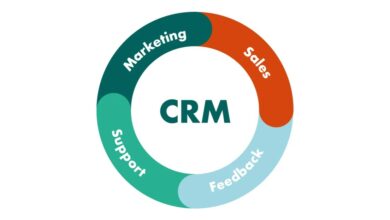
- Implement a CRM system to manage client accounts and contracts.
Platforms like Toast offer restaurant management tools that integrate with accounting and delivery apps.
Case Studies: Successful B2B Bistros Around the World
Real-world examples show how the B2B Bistro model can be adapted across cultures and markets.
TableLink (San Francisco, USA)
Founded in 2018, TableLink started as a catering side hustle but pivoted to B2B after landing a contract with a mid-sized tech firm.
- Now serves over 20 companies in the Bay Area.
- Offers “Lunch & Learn” events where chefs discuss nutrition with employees.
- Revenue grew 300% in three years due to recurring contracts.
Learn more at tablelinkfoods.com.
OfficeBite (London, UK)
OfficeBite operates out of a central kitchen and delivers to financial firms in Canary Wharf.
- Specializes in high-protein, low-carb meals for busy professionals.
- Uses electric cargo bikes for eco-friendly delivery.
- Partners with gyms to offer joint wellness packages.
Their client retention rate is 92% — a testament to consistency and quality.
GreenPlate (Singapore)
GreenPlate combines B2B dining with sustainability education.
- Each meal comes with a QR code showing its carbon footprint.
- Hosts monthly “Sustainable Lunch Talks” for corporate clients.
- Won the 2023 Asia Green Business Award.
They prove that a B2B Bistro can be both profitable and purpose-driven.
Measuring Success in the B2B Bistro Space
How do you know if your B2B Bistro is thriving? It’s not just about revenue — it’s about impact.
Key Performance Indicators (KPIs)
Track these metrics to gauge performance and identify areas for improvement.
- Client Retention Rate: Aim for 80% or higher.
- Meals Served Per Week: Measures scalability.
- Net Promoter Score (NPS): Gauges client satisfaction.
- Food Waste Percentage: Target under 10%.
Client Feedback and Continuous Improvement
Regular feedback loops are essential. Send quarterly surveys, host focus groups, and act on suggestions.
- Use feedback to refine menus, service speed, and packaging.
- Recognize loyal clients with exclusive tasting events.
- Share improvements publicly to build trust.
“We changed our entire delivery system after clients complained about cold soups. Now we use vacuum-insulated containers. Complaints dropped by 90%,” says Elena Rodriguez of MealHub.
What is a B2B Bistro?
A B2B Bistro is a restaurant or catering service that primarily serves businesses, offering customized meal programs, private dining, and corporate billing for employee lunches, client meetings, and events.
How does a B2B Bistro make money?
Through recurring contracts with companies, including monthly meal plans, event catering, and premium dining experiences, often with bulk pricing and invoicing options.
Can a regular restaurant become a B2B Bistro?
Yes, but it requires operational changes like contract management, scalable menus, corporate billing systems, and dedicated account support.
What industries benefit most from B2B Bistros?
Tech startups, financial firms, co-working spaces, healthcare providers, and legal offices — any business with teams that eat together regularly.
Is the B2B Bistro model sustainable long-term?
Yes, especially as companies prioritize employee wellness, sustainability, and experiential benefits. With diversification and smart operations, it’s a resilient business model.
The B2B Bistro is more than a trend — it’s a strategic evolution in how businesses nourish their people and engage their partners. By blending culinary excellence with corporate functionality, these innovative dining spaces are redefining the intersection of food and business. Whether you’re a restaurateur looking to pivot or a company seeking better meal solutions, the B2B Bistro model offers a recipe for mutual success. The future of dining isn’t just on the plate — it’s in the partnership.
Further Reading: